Foods That May Promote
Better Sleep Without the Bloating
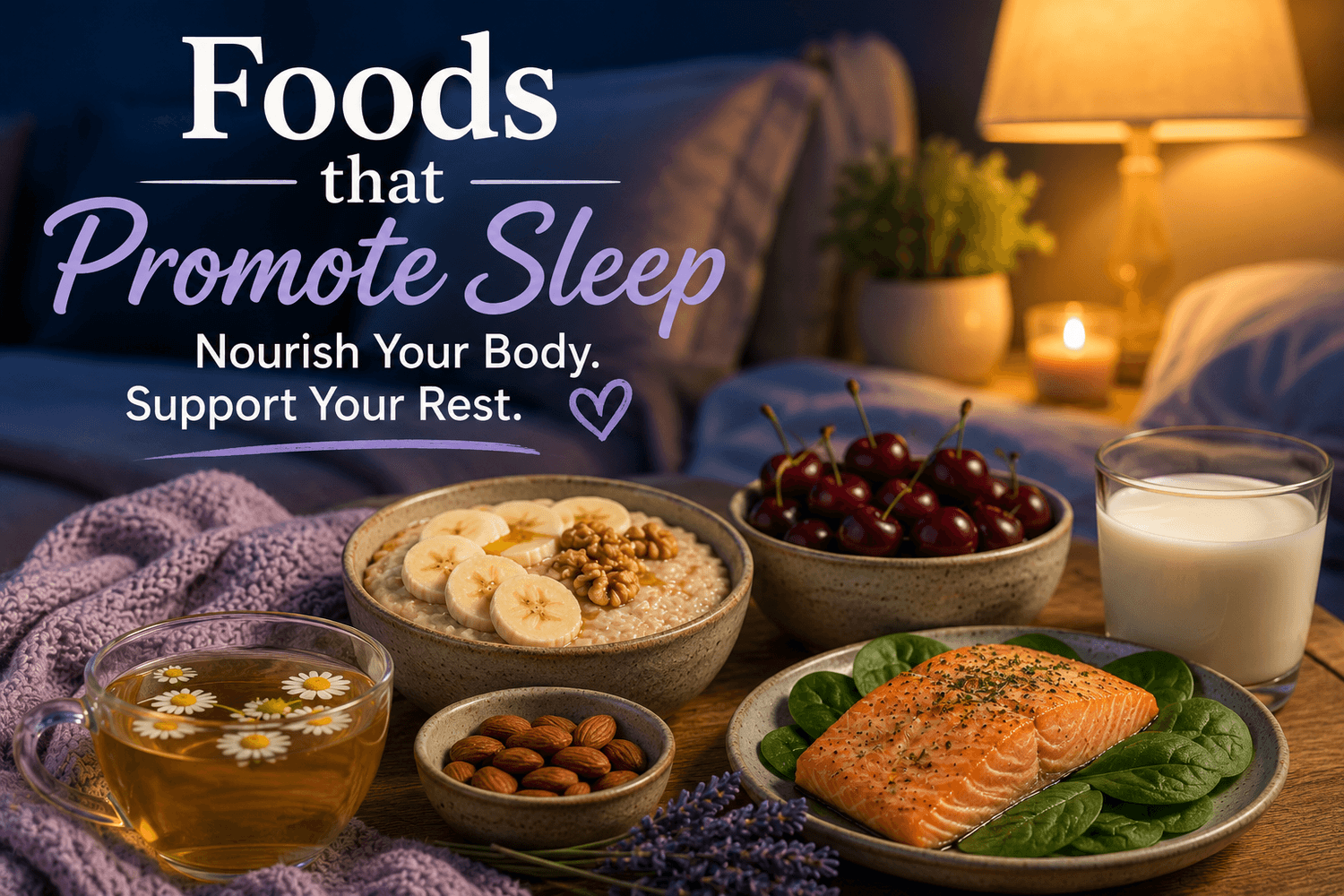
If you've ever gone to bed feeling too hungry to sleep—or too full to get comfortable—you know how important evening food choices can be.
Many women over 40 struggle with sleep disruptions caused by stress, hormonal changes, night sweats, or simply a busy mind that won't slow down. While no food can guarantee a perfect night's sleep, certain foods contain nutrients that may support relaxation and healthy sleep patterns without leaving you feeling bloated or uncomfortable.
The key is keeping portions modest and choosing foods that are easy to digest.
1. Pumpkin Seeds
One of my personal favorites is pumpkin seeds.
They're crunchy, satisfying, easy to keep on hand, and naturally contain magnesium, zinc, and tryptophan—nutrients associated with healthy sleep.
A small handful of unsalted or lightly salted pumpkin seeds can make a simple evening snack when you're feeling a little hungry before bed.
2. Tart Cherry Juice
Tart cherries naturally contain melatonin, a hormone involved in regulating the sleep-wake cycle.
Several studies have found that tart cherry juice may help support sleep quality and duration in some people. If you'd like to try it, a small glass in the evening is usually plenty.
3. Kiwi
Kiwi may not be the first food that comes to mind when you think about sleep, but it has been studied for its potential role in improving sleep quality.
It's light, refreshing, and unlikely to leave you feeling overly full before bed.
4. Almonds
Almonds are another good source of magnesium, which plays a role in muscle relaxation and sleep regulation.
A small handful can help satisfy hunger without weighing you down. Unsalted or lightly salted varieties are often the best choice, especially if salty foods tend to leave you feeling thirsty during the night.
5. Banana with a Small Amount of Peanut Butter
Bananas provide potassium and magnesium, while peanut butter adds a little protein and healthy fat.
While this combination isn't a magic sleep remedy, many people find it satisfying enough to prevent late-night hunger without causing the heavy, uncomfortable feeling that larger snacks can create.
6. Plain Greek Yogurt
Plain Greek yogurt is a healthy evening snack that can help satisfy hunger before bedtime without leaving you feeling overly full.
While it isn't considered a sleep-promoting food in the same way that tart cherry juice or pumpkin seeds are, the protein in Greek yogurt may help keep you satisfied through the night and reduce the chance of waking up hungry.
For the healthiest option, choose plain Greek yogurt with little or no added sugar. If you'd like a little sweetness, try adding a few fresh berries rather than sugary toppings
.
7. A Small Bowl of Oatmeal
Oatmeal isn't just for breakfast.
A small serving can be warm, comforting, and easy to digest. The combination of complex carbohydrates and magnesium may help support a relaxing bedtime routine.
Foods That May Disrupt Sleep
Just as important as what you eat is what you avoid.
Some foods and drinks may interfere with sleep, especially when consumed close to bedtime
:
Coffee and other caffeinated beverages
Alcohol
Heavy meals
Spicy foods
Large amounts of sugar
Rich desserts
Greasy or fried foods
I've learned that coffee after dinner is almost guaranteed to keep me awake. Sometimes the problem isn't what you're eating before bed—it's what you're drinking.
The Bottom Line
No single food is guaranteed to make you sleep better, but choosing light, nutrient-rich snacks may help you avoid hunger, support relaxation, and prevent the bloated, uncomfortable feeling that can make falling asleep even harder.
If you're looking for a simple place to start, pumpkin seeds, tart cherry juice, kiwi, and almonds are all easy options that may support better sleep while fitting into a healthy evening routine.
Looking for More Sleep Support?
Affiliate Disclosure: This article may contain affiliate links. If you make a purchase or book a service through these links, I may earn a commission at no additional cost to you. As an Amazon Associate, I earn from qualifying purchases. Thank you for supporting Healthy Living & Thriving.
Medical Disclaimer: This article is for informational and educational purposes only and is not intended as medical advice. Always consult your physician or qualified healthcare provider regarding any medical concerns or healthcare decisions.