Could Sleep Apnea Be One Reason You're So Tired?
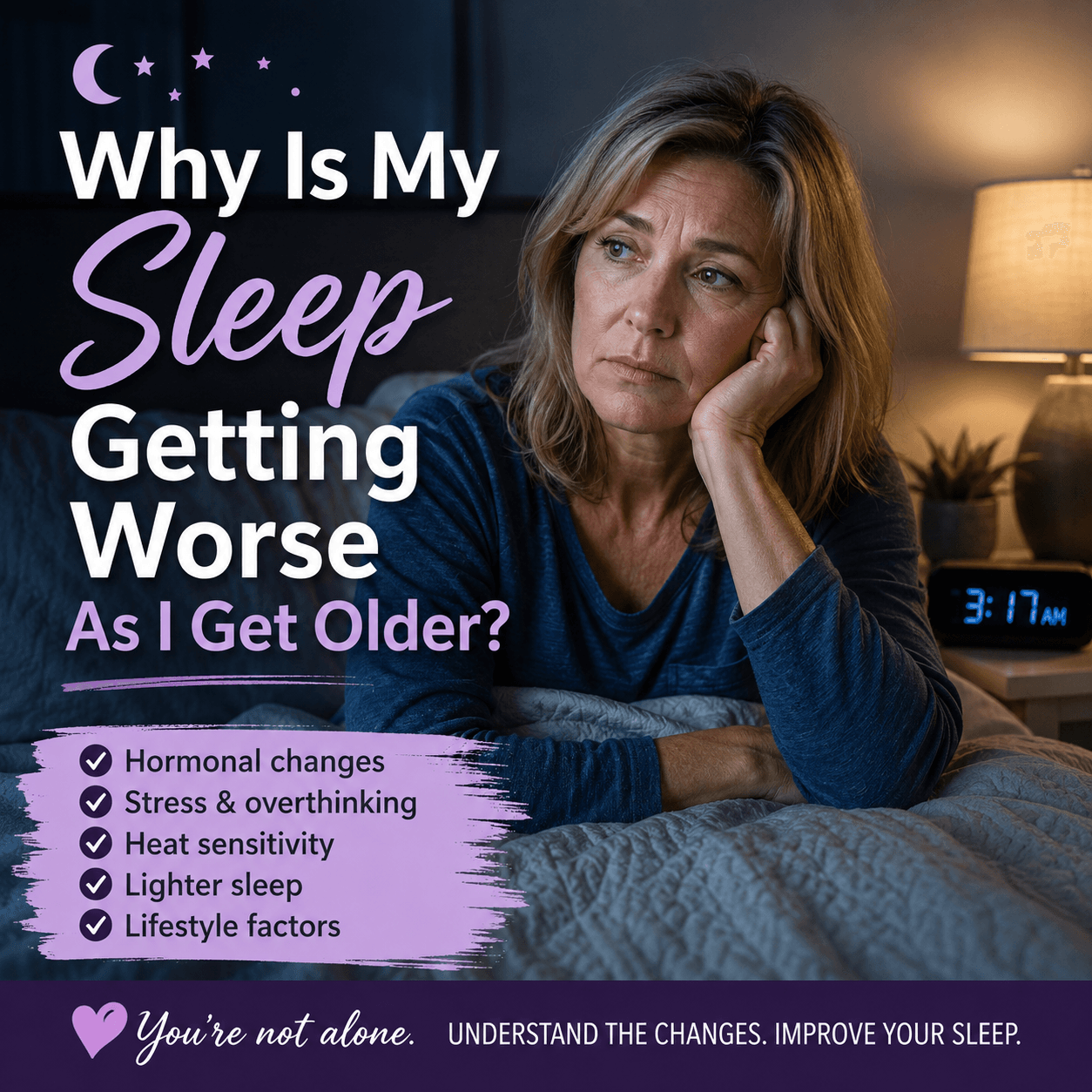
Do you wake up feeling exhausted even after what seems like a full night's sleep?
Maybe you're dragging through the day, reaching for extra coffee, or wondering why you never seem to feel rested no matter how long you stay in bed.
There are many possible reasons for poor sleep, but one that often goes unrecognized—especially in women—is sleep apnea.
While not everyone who feels tired has sleep apnea, understanding the signs may help you decide whether it's worth discussing with your healthcare provider.
What Is Sleep Apnea?
Sleep apnea is a condition that causes breathing to repeatedly stop and start during sleep.
These interruptions may happen dozens or even hundreds of times throughout the night.
Many people don't realize it's happening because they never fully wake up.
However, the repeated disruptions can affect sleep quality and leave you feeling tired the next day.
Sleep Apnea Isn't Just a Men's Problem
Many people picture sleep apnea as something that only affects overweight middle-aged men.
In reality, women can develop sleep apnea too, particularly after menopause.
Because symptoms in women can sometimes be different, the condition may go unrecognized for years.
Common Signs of Sleep Apnea
Some signs that may be associated with sleep apnea include:
Loud snoring
Waking up gasping or choking
Morning headaches
Dry mouth upon waking
Excessive daytime fatigue
Difficulty concentrating
Irritability or mood changes
Frequent nighttime waking
Feeling exhausted despite spending enough time in bed
Not everyone experiences the same symptoms, and having one or two of these signs doesn't necessarily mean you have sleep apnea.
Why Women Sometimes Miss the Signs
Many women assume their exhaustion is simply part of getting older, dealing with stress, or navigating hormonal changes.
While those factors can absolutely affect sleep, they can sometimes mask an underlying sleep disorder.
If you've addressed your sleep environment, reduced caffeine, improved your bedtime routine, and still wake up feeling exhausted, it may be worth having a conversation with your healthcare provider.
Other Reasons You May Feel Tired
Sleep apnea isn't the only possible explanation for poor sleep.
Other factors that may affect sleep quality include:
Stress and anxiety
Hormonal changes
Night sweats and hot flashes
An uncomfortable sleep environment
Poor sleep habits
Certain medications
Other medical conditions
That's why it's important not to assume there's a single cause.
When Should You Talk to Your Healthcare Provider?
Consider discussing your symptoms with your healthcare provider if you:
Snore loudly
Wake up gasping for air
Feel excessively sleepy during the day
Frequently wake up with headaches
Continue feeling exhausted despite making lifestyle changes
A healthcare provider can help determine whether additional evaluation may be appropriate.
Final Thoughts
If you constantly wake up feeling exhausted, sleep apnea may be one possible reason—but it's not the only one.
Understanding the signs can help you become more aware of your sleep health and know when it may be time to seek professional guidance.
The goal isn't to diagnose yourself. It's simply to recognize that persistent fatigue isn't something you have to ignore.
Looking for More Sleep Support?
👉 Why Women Over 40 Wake Up Exhausted
👉 Why Is My Sleep Getting Worse As I Get Older?
👉 Why Your Bedroom Might Be Keeping You Awake
Affiliate Disclosure: This article may contain affiliate links. If you make a purchase or book a service through these links, I may earn a commission at no additional cost to you. As an Amazon Associate, I earn from qualifying purchases. Thank you for supporting Healthy Living & Thriving.